What is a masseria? Puglia's historic farmhouses explained
A masseria is a historic farm estate in the Puglia countryside: around one courtyard people lived, worked the land, kept animals and stored the harvest, and some masserie were fortified with high walls and towers. The farm was run by the massaro, the farm keeper, on behalf of the owning family. Many masserie now live again as working farms and places to stay, eat or celebrate, like Tenuta Montevitolo, a 19th-century masseria near Andria.
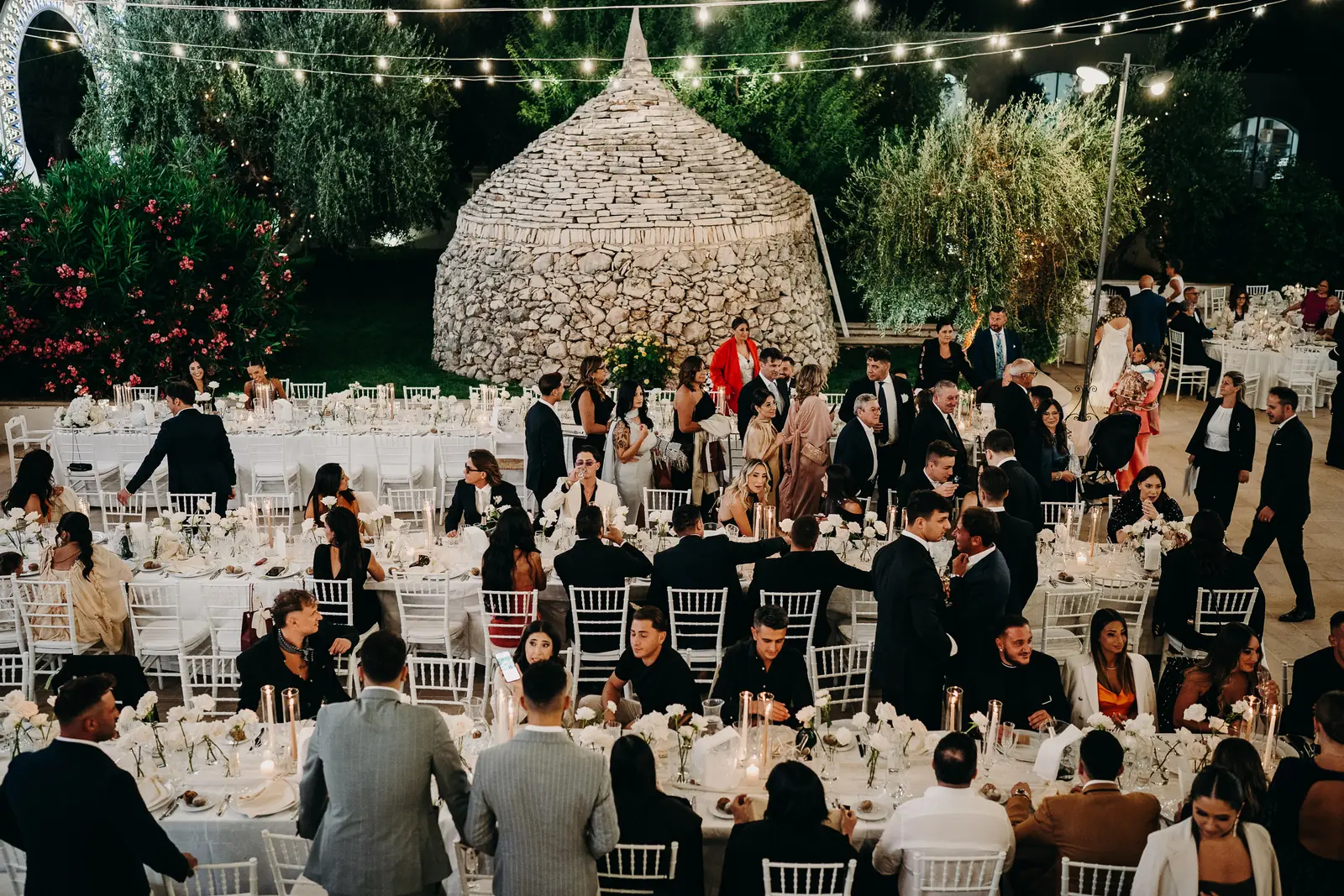
A small village in the middle of the fields
You arrive along a country road, between olive trees. Then a wall of pale stone, a gateway, and behind it a courtyard open to the sky. Around it, the doors of stables and storerooms, a staircase climbing to the house. People who walk into a masseria for the first time often say the same thing: it feels like a small village inside a wall.
That is more or less what it was. Masseria (plural masserie) is the Puglian word for a farm estate in the open countryside, far from town, that had to look after itself for much of the year. The name is usually traced back to the late Latin massa, a group of landholdings. You find masserie all over Puglia, from the plains of the Tavoliere to the Salento, and here on the Murgia, the limestone plateau of northern Puglia where we live, they are a familiar sight: pale shapes scattered across the fields, visible from far away.
How a masseria is built: courtyard, walls, towers
No two masserie are alike. Each one grew over time, room after room, as the people who worked there needed. But some elements come back again and again.
- The courtyard: the heart of the farm, where work was done, carts were loaded and people gathered.
- Work spaces on the ground floor: stables, stores for grain and tools, sometimes an olive press or a wine cellar.
- The owners' house, often upstairs, where the family stayed when they came out from town.
- The cistern for rainwater: on the Murgia the limestone swallows the rain, so water had to be collected.
- A small chapel, in many masserie, for people who lived too far from town to go to Mass on Sunday.
- High walls and sometimes a tower, in the fortified masserie.
The fortifications had a simple reason: the countryside was isolated and not always safe. Thick walls, few openings to the outside and a tower from which to watch the horizon protected people, animals and harvests.
The massaro and the people of the fields
The owning family often lived in town and came to the masseria only at certain times of the year. Out in the country stayed the massaro, the farm keeper, who ran the work on the owners' behalf: the land, the animals, the people, the jobs of each season. We still have one. Michele, the massaro of Montevitolo, describes the olive harvest and the mill in his own words in his article on our olive oil.
Around the massaro were the people of the fields: labourers who arrived for the grain harvest, the grape harvest and the olive harvest, and shepherds with their flocks. The masseria filled and emptied with the seasons, as many farms on the Murgia still do today.
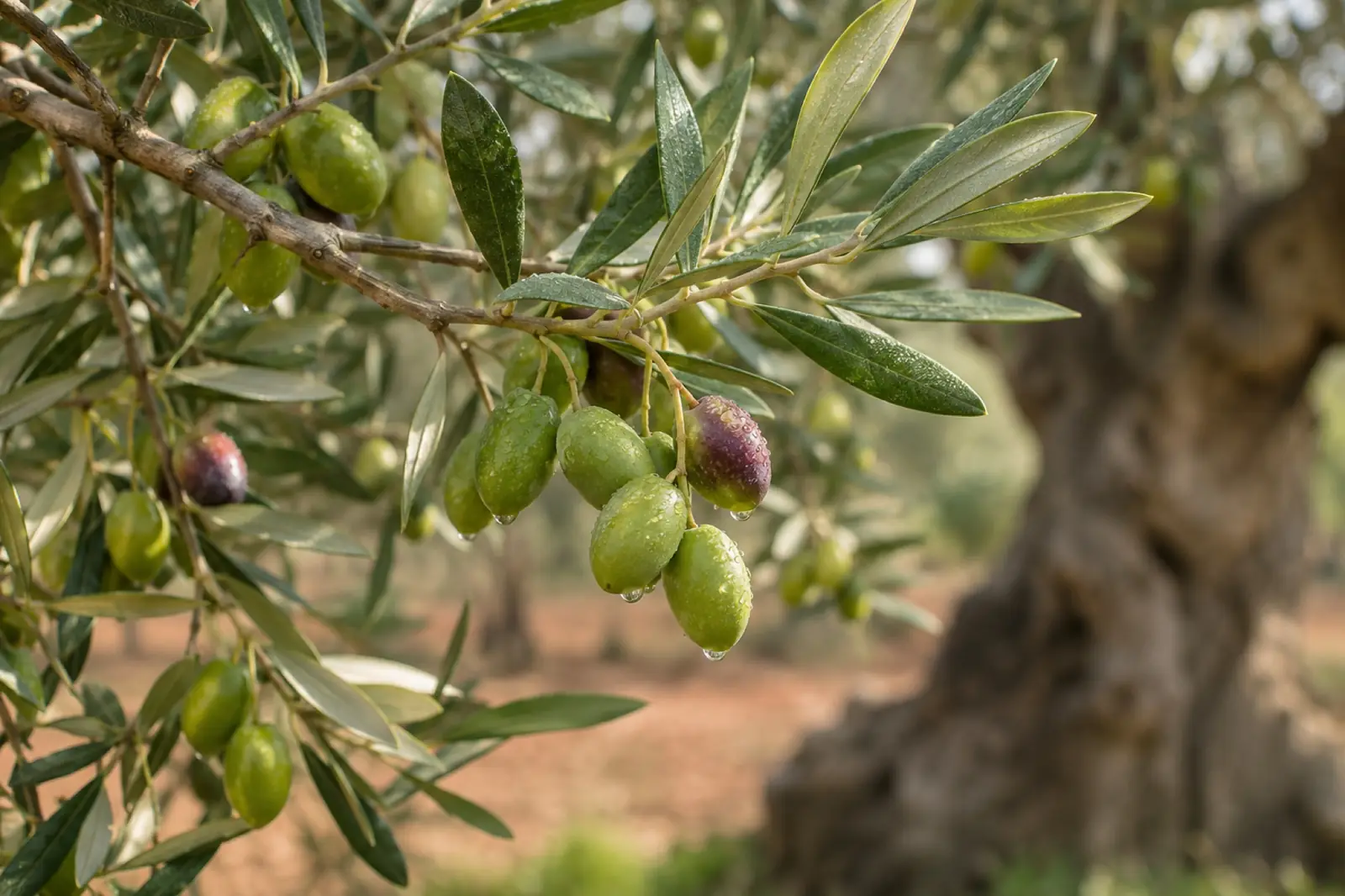
Not a trullo, and not the Valle d'Itria
Visitors sometimes confuse masserie with trulli, and it is easy to see why. Trulli are small dry-stone buildings with cone-shaped roofs; the most famous, in Alberobello, a UNESCO World Heritage Site since 1996, are in the Valle d'Itria, in the south-east of the province of Bari. A masseria is something else: a whole farm, with its courtyard, its house and its work buildings. Some masserie have a trullo among their buildings, as ours does, in the middle of the large courtyard.
Geography matters too. We are not in the Valle d'Itria, nor in the Salento, nor by the sea. Tenuta Montevitolo is in northern Puglia, inland on the Murgia, in the countryside of Andria, about 15 minutes from the town centre and 50 minutes from Bari airport.
Ours: a 19th-century masseria
Tenuta Montevitolo is a historic 19th-century masseria, at about 340 metres above sea level, with Castel del Monte on the horizon. In family stories it is linked to the era of brigandage, when bands of outlaws roamed this part of the Murgia. The local historian Aldo Tota writes that from 1815 the Vardarelli band moved between Corato, Minervino and Andria, sheltering in the woods around Castel del Monte.
Our family acquired the masseria and restored it. Today there is the Corte Grande, the large courtyard, with its trullo; the Corte Piccola, the small courtyard; a little white church; the Orangerie and the Winter Garden. The old granary holds a spa, the wines aged in wood mature in a barrel cellar dug 12 metres into the rock, and beside the olive groves stands the family's new olive mill, built in 2024.
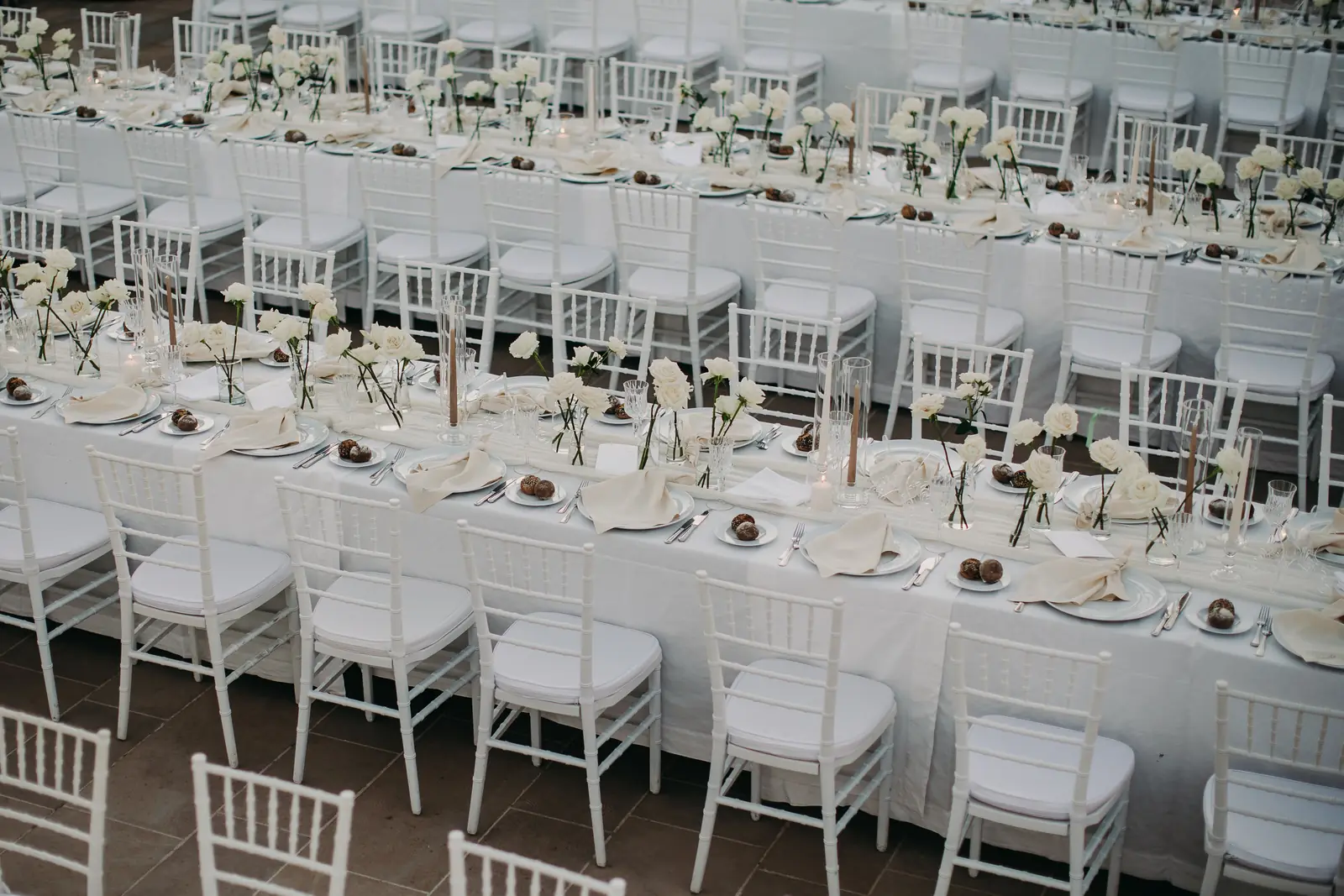
Masserie today
In the twentieth century many masserie emptied: people left the countryside and the walls began to give way. Others were saved and came back to life as working farms, as places to stay, eat or celebrate, and sometimes as all of these at once. We wanted ours to remain a working farm that also opens its doors.
“We are not a venue: we are a living farm that opens its doors to your celebration. Here we prune, harvest the grapes, press the olives and cook all year round.”
If you would like to see a masseria that still works, come and visit: a tour of the cellar or the olive mill is the best way to feel the place, not just look at it. There is more about the estate here, and if you are imagining a celebration in a courtyard like ours, this is how we host weddings.
- Dati aziendali confermati dalla famiglia Alicino · Tenuta Montevitolo · settembre 2026
- Il brigantaggio (Aldo Tota) · AndriaLive · 15 giugno 2012
- The Trulli of Alberobello (1996) — World Heritage List · UNESCO